

The WI vs IND cricket rivalry brings together two teams with very different cricketing traditions. India has built a reputation around technical batting, strong spin options, deep talent pools, and intense competition across formats. The West Indies, meanwhile, remain closely associated with fearless stroke play, athletic fielding, fast bowling, and a long history of producing some of the game’s most entertaining players.
Matches between India and the West Indies can be particularly interesting because conditions often influence the contest. Indian pitches can reward spin and patient batting, while Caribbean venues may offer different combinations of pace, bounce, movement, and slower surfaces. The teams have also met across Tests, One-Day Internationals, and T20 cricket, creating a rivalry with several distinct chapters.
For supporters following a series, understanding the teams’ strengths, playing conditions, tactical approaches, and important player matchups can make every match more meaningful.
Why the India-West Indies Rivalry Matters
The history behind WI vs IND extends across generations of international cricket. West Indies cricket once dominated the global game, particularly in Test cricket, with legendary fast bowlers and powerful batsmen setting extremely high standards. India gradually developed into one of the strongest cricket nations, becoming increasingly competitive in every format.
The rivalry is therefore about more than individual matches. It reflects different cricketing cultures. West Indies cricket has traditionally emphasized natural ability, confidence, flair, and aggressive play. Indian cricket has evolved through strong domestic structures, tactical development, technical discipline, and a huge pool of emerging players.
Modern encounters may not always carry the same historical significance as some classic contests, but they remain valuable for players and supporters. Young cricketers can gain international experience, while established players have opportunities to strengthen their reputations.
Different Formats Create Different Challenges
One of the most interesting aspects of WI vs IND is how dramatically the nature of the contest changes between formats.
In Test cricket, patience and adaptability become essential. Batters must handle long spells, bowlers need consistent plans, and captains must manage resources over several days. Conditions can change considerably, making session-by-session strategy important.
ODI cricket creates a balance between controlled batting and attacking cricket. Teams must manage wickets while maintaining a healthy scoring rate. Bowling changes, fielding restrictions, middle-over strategy, and death-over execution can determine the result.
T20 cricket is different again. There is little room for recovery after a poor start, and individual performances can transform a match within a few overs. Power hitting, variations from bowlers, athletic fielding, and smart use of matchups become especially important.
| Aspect | India | West Indies |
|---|---|---|
| Traditional strength | Technical batting and spin | Power hitting and pace |
| Key advantage | Depth and structured cricket | Natural aggression and flair |
| T20 approach | Matchups and flexible combinations | Explosive batting |
| Test challenge | Building pressure over long spells | Sustaining consistency |
| Important factor | Adaptation to conditions | Exploiting favorable conditions |
Batting Approaches and Key Matchups
Batting often becomes the central attraction in WI vs IND contests. India generally possesses a broad selection of technically accomplished batters capable of building innings in different ways. Depending on the format, Indian batters can switch between defensive concentration and aggressive stroke making.
The West Indies have traditionally produced batsmen comfortable attacking pace and spin. Their best white-ball players can change the momentum quickly, particularly when they find favorable matchups against a particular bowler.
A major tactical battle involves how each side manages the opposition’s strongest batting phase. India may look to control explosive Caribbean batters with disciplined bowling and intelligent field placements. West Indies bowlers, in turn, may attempt to prevent India’s top order from establishing rhythm during the opening stages.
Middle-order contributions are equally important. A team relying exclusively on its opening batters can become vulnerable if early wickets fall. Strong finishers and adaptable middle-order players provide insurance and can determine whether a competitive total becomes a winning score.
Bowling Strategies Can Decide the Contest
Bowling plans are another major feature of WI vs IND matches. India has developed considerable depth in both spin and pace, allowing captains to select combinations according to conditions. Spinners can become especially influential when pitches slow down, while fast bowlers can exploit early movement or generate pressure with disciplined lines.
West Indies cricket has a proud fast-bowling tradition. Modern Caribbean sides can still benefit when quick bowlers extract bounce, movement, or awkward angles from the surface. Their white-ball attack can also become dangerous when bowlers successfully combine pace with slower deliveries and other variations.
The middle overs deserve particular attention in limited-overs cricket. This is where captains often try to break partnerships, control the run rate, and create pressure before the final batting phase.
Effective bowling generally depends on three elements:
- Maintaining consistent areas rather than relying solely on pace or spin.
- Using field placements that support the intended bowling plan.
- Changing tactics quickly when a batter begins dominating.
The Importance of Conditions
Conditions can heavily influence WI vs IND encounters. Cricket is unusual because the playing surface, weather, humidity, wind, and boundary dimensions can all affect tactical decisions.
In the Caribbean, pitches can vary significantly from one venue to another. Some surfaces can offer assistance to fast bowlers early, while others become slower and make timing the ball more difficult. Indian conditions can also vary considerably depending on location and season.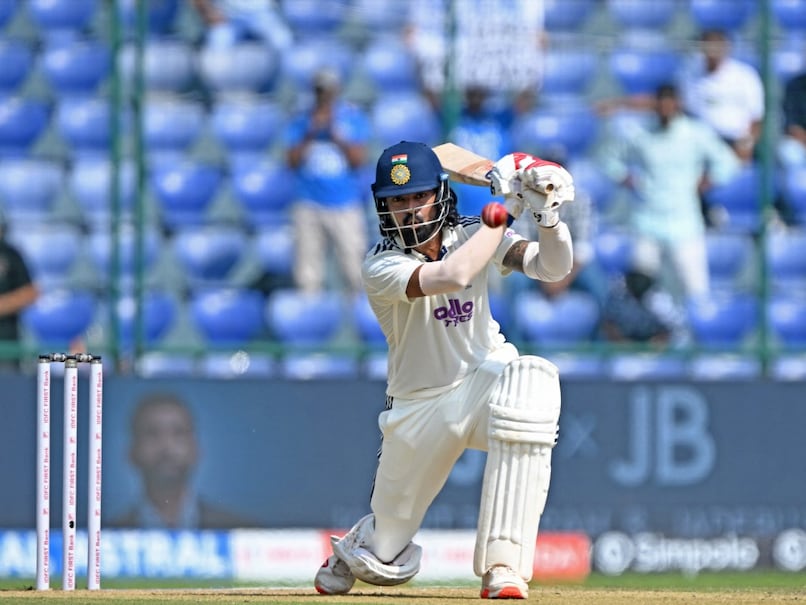
Toss decisions may therefore become important, although winning the toss does not guarantee success. Captains must assess the pitch before deciding whether batting first or bowling first provides the better opportunity.
Weather is another consideration. Rain interruptions can alter the length and character of a limited-overs contest, while humidity may influence swing bowling and player workload.
Players Who Can Change a Match
Individual performances often define WI vs IND games. A batter who survives the difficult opening period can build an innings that controls the contest. Similarly, a bowler who takes wickets during a crucial partnership can completely change the match.
For India, attention frequently centers on technically strong top-order batters, versatile all-rounders, and bowlers capable of performing in different phases. India’s wider cricket system also means new players can emerge quickly and make an impact on the international stage.
West Indies cricket can produce equally dangerous match-winners. Power hitters can score rapidly when they settle, while fast bowlers can create pressure through aggressive spells. All-rounders are particularly valuable because they give the team flexibility in selection and tactical planning.
The most important players are not always those with the highest profile. A lower-order contribution, difficult catch, economical spell, or timely wicket can be just as influential as a century.
How Young Players Benefit From the Series
Another important element of WI vs IND cricket is the opportunity it provides emerging players. International matches expose young cricketers to pressure that domestic competitions cannot completely reproduce.
For an inexperienced batter, facing a high-quality bowling attack can reveal technical weaknesses and decision-making issues. Young bowlers learn how international batters respond to variations and pressure situations.
These experiences can influence future selection. Players who perform consistently against strong opposition can establish themselves as reliable international options.
India’s large domestic cricket ecosystem creates significant competition for places. West Indies cricket similarly depends on identifying and developing players who can succeed internationally while preserving the distinctive qualities associated with Caribbean cricket.
What Makes T20 Encounters Especially Exciting
T20 cricket adds another dimension to WI vs IND because momentum can change extremely quickly. A team can recover from a difficult powerplay through aggressive middle-order batting, while two or three wickets in succession can completely shift the balance.
Powerplay overs are crucial because fielding restrictions allow batters to attack particular areas. Middle overs require a balance between scoring and protecting wickets. The final overs often become a contest between specialist death bowlers and high-impact hitters.
Captaincy is also important. Bowling changes cannot be delayed for too long, and fielding positions need to respond immediately to a batter’s preferred scoring zones.
This format particularly suits players capable of performing multiple roles. A flexible all-rounder can provide several overs, contribute quick runs, and save valuable runs in the field.
How Fans Can Follow the Rivalry More Effectively
Following WI vs IND is more rewarding when supporters look beyond the final score. A match can contain important tactical developments that are not obvious from the result alone.
Fans can pay attention to how captains use their bowlers, which batters target particular bowlers, and how the run rate changes after partnerships are broken. Fielding quality is another useful indicator because missed chances can give dominant batters additional opportunities.
Scorecards also provide valuable information. Strike rates, bowling economy, wickets at key stages, partnership lengths, and boundary percentages can help explain how a match developed.
This approach makes it easier to understand why a team won rather than simply identifying who scored the most runs.
The Future of India and West Indies Cricket
The future of WI vs IND cricket will depend heavily on how both teams continue developing players across formats. India’s enormous talent pool provides a steady supply of young cricketers, while the West Indies continue working to nurture players capable of competing at the highest level.
T20 leagues have also changed the modern cricket landscape. Players now gain experience in different conditions and alongside international teammates, which can improve tactical awareness and adaptability.
For international cricket, maintaining meaningful bilateral contests remains important. Test cricket preserves the traditional challenge of endurance and technique, while ODIs offer a strategic middle ground. T20 cricket provides intensity and entertainment.
The combination gives this rivalry room to remain relevant even as individual players and team strategies change.
Conclusion
The WI vs IND rivalry combines history, contrasting cricket cultures, tactical variety, and individual brilliance. India brings depth, technical skill, and increasingly versatile bowling resources, while the West Indies carry a tradition of aggressive batting, athleticism, and fast-bowling excellence. Every format presents a different challenge, and conditions can significantly alter the balance between the teams. For fans, the most interesting part is often watching how players adapt when the expected plan stops working.
Whether the contest is a long Test battle, a strategically demanding ODI, or a fast-paced T20 encounter, India and the West Indies have enough talent and history to produce compelling cricket. That combination ensures their meetings remain an important part of the international cricket calendar.

