

India and West Indies have produced many memorable cricket contests, combining contrasting playing styles, famous players, and challenging conditions. The rivalry covers Test cricket, One-Day Internationals, and T20 matches, with every format creating different tactical demands.
India are generally associated with structured batting, strong spin resources, improving pace depth, and detailed match planning. West Indies cricket has traditionally been admired for explosive batting, athletic fielding, powerful fast bowling, and an aggressive approach. Although both teams have evolved, those characteristics continue to make their meetings compelling.
A Rivalry Built on Cricketing History
The cricket relationship between India and West Indies stretches back several decades. West Indies were among the strongest teams in international cricket during the second half of the twentieth century, producing legendary fast bowlers and technically gifted batsmen. India gradually established itself as a major cricketing nation through improved domestic structures, stronger batting lineups, and consistent international performances.
Earlier contests were often shaped by West Indies’ intimidating pace attacks and India’s ability to respond with patience and technically sound batting. As the game developed, India built a more balanced bowling attack, while West Indies continued producing naturally aggressive players capable of changing matches quickly.
That history gives an ind vs wi fixture importance beyond the immediate scorecard. Older supporters remember classic contests involving previous generations of stars, while younger fans experience the rivalry through modern limited-overs cricket and international tournaments.
How the Three Formats Change the Contest
The format has a major influence on how India and West Indies approach each match.
| Format | Main Tactical Focus | Important Factors |
|---|---|---|
| Test | Patience and sustained pressure | Partnerships, sessions, bowling spells |
| ODI | Balance between risk and control | Powerplay, middle overs, wickets |
| T20 | Immediate impact | Power hitting, matchups, death overs |
Test cricket rewards concentration and bowling discipline over several days. ODI cricket requires teams to manage wickets and scoring rates carefully. T20 cricket provides very little time to recover from a poor phase, meaning a few deliveries can completely change the momentum.
Understanding these differences helps fans assess performances more accurately. A cautious Test innings and an aggressive T20 innings may both be excellent performances when judged according to their respective circumstances.
India’s Major Strengths
India’s strength across formats has often been built around batting depth and access to technically capable players. A large domestic cricket system provides selectors with a wide pool of talent and exposes players to different pitches and match situations.
Spin remains an important part of India’s cricketing identity, especially on surfaces where the ball grips. At the same time, the development of quality fast bowlers has created a more versatile attack capable of challenging opponents in different conditions.
Another advantage is adaptability. Indian players regularly encounter varied playing surfaces and tactical approaches, giving them experience in adjusting plans during a series.
In an ind vs wi contest, India may look to control the middle overs, build partnerships, and force the opposition into taking unnecessary risks. However, excessive caution can be dangerous against an aggressive West Indies lineup, particularly in shorter formats.
West Indies’ Match-Winning Qualities
West Indies cricket has long been associated with attacking instincts. Caribbean players have historically produced powerful batsmen, athletic fielders, and high-quality fast bowlers.
That attacking mindset can be especially effective in limited-overs cricket. A batter capable of scoring several boundaries in an over can immediately change the required run rate. Similarly, an aggressive bowling spell can create wickets through pressure rather than simple containment.
Knowledge of local conditions can also benefit West Indies. Caribbean pitches vary between venues, with differences in bounce, pace, wind, and surface behavior influencing team selection and tactics.
Against India, the West Indies approach can create an important question: can India maintain control before an individual batter or bowler produces a decisive burst? If not, the match can shift quickly.
Batting Battles That Shape the Game
Batting strategy is one of the most interesting elements of the rivalry. India may prefer to establish control through partnerships and strike rotation before accelerating. West Indies batters can sometimes take a more direct attacking route, particularly in T20 cricket.
Opening partnerships are crucial because they establish the tempo. In ODIs, openers must take advantage of field restrictions while protecting wickets. In T20s, the opening phase is often treated as an opportunity to maximize scoring immediately.
The middle order then has to interpret the match situation. If early wickets fall, stability becomes important. If the opening pair produces a strong platform, middle-order players can focus on acceleration.
Finishing ability is equally valuable. Successful teams combine boundary hitting with intelligent running between wickets, allowing them to maintain momentum without depending entirely on sixes.
Bowling and Individual Matchups
Bowling plans can decide matches when batting conditions are favorable. India may use spin to break partnerships or pace variations to challenge specific batters. West Indies can counter with fast bowling, cutters, changes of pace, and attacking fields.
Modern cricket increasingly emphasizes individual matchups. Captains and analysts examine how particular batters respond to certain bowling styles. A wrist-spinner, left-arm seamer, or high-pace bowler may be introduced because the matchup offers a tactical advantage.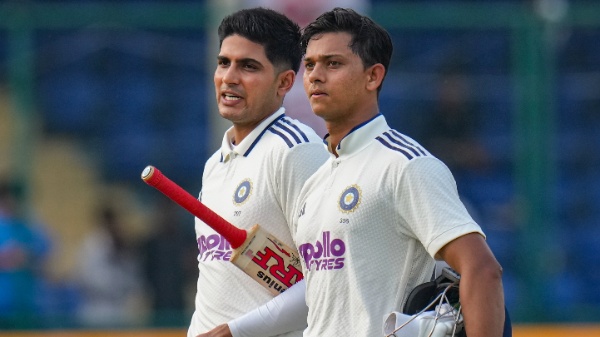
The middle overs are particularly important. Teams try to restrict scoring while creating wicket-taking opportunities. A successful spell can prevent an opponent from reaching a competitive total, while an expensive period can place enormous pressure on the remaining bowlers.
Death bowling requires another level of precision. Yorkers, slower balls, wide deliveries, and variations in length can restrict boundaries, but executing those plans under pressure is difficult.
Conditions and Venue Can Change the Equation
Cricket is strongly influenced by conditions. A match in India may offer a surface that supports spin, although modern grounds can also provide excellent batting conditions. Caribbean venues can present different combinations of pace, bounce, humidity, and wind.
Dew may also affect evening matches. A wet ball can make gripping difficult for bowlers and reduce the effectiveness of some spin deliveries. Captains therefore have to consider whether chasing might become easier later in the game.
Pitch behavior should always be assessed on the day rather than solely through reputation. A ground known for high scoring may produce a slower surface, while a pitch expected to favor bowlers may become easier for batting after the initial period.
These factors can directly influence selection. Teams may choose an additional spinner, seamer, batter, or all-rounder depending on expected conditions.
Players Who Can Change Momentum
Although star players attract most attention, matches are often decided by role players performing at the right moment. A top-order batter can establish control, an all-rounder can provide balance, and a bowler can transform the game with a short burst of wickets.
All-rounders are particularly valuable in limited-overs cricket because they provide flexibility. Their presence can allow captains to rotate bowlers while maintaining batting depth.
Wicketkeepers also contribute beyond batting. Quick catches, stumpings, communication with bowlers, and awareness of the pitch can influence important moments.
Fielding should not be underestimated either. A direct hit, difficult catch, or boundary-saving stop can change momentum without appearing prominently in conventional statistics.
What Fans Should Watch During a Match
Viewers can understand an ind vs wi match more deeply by looking beyond the scoreboard. Runs and wickets remain important, but the situation behind those numbers provides greater context.
Useful areas to monitor include:
- Powerplay scoring and early wicket loss.
- Middle-over partnerships and bowling changes.
- Boundary hitting compared with strike rotation.
- Death-over execution with both bat and ball.
- Fielding pressure during close periods.
Another useful indicator is how teams respond after setbacks. A side that loses early wickets but rebuilds carefully may be in a stronger position than a team scoring rapidly while repeatedly losing wickets.
The Modern Meaning of the Rivalry
Today, the rivalry is about more than historical records. India have become a major force across formats, while West Indies remain associated with an attacking style that has influenced modern T20 cricket around the world.
The contest also connects generations of supporters. Older fans remember classic Test battles, while newer audiences may primarily follow the teams through T20 tournaments, international events, and digital cricket coverage.
That combination of tradition and modern entertainment keeps the fixture relevant. Each new series provides another opportunity to see contrasting cricketing philosophies meet.
How to Follow the Match More Intelligently
A useful way to follow an ind vs wi game is to consider the match situation before judging individual performances. Ask whether the pitch is helping bowlers, how many wickets the batting side has available, and which bowlers remain for the closing overs.
Team selection is another important factor. Changes to the opening combination, bowling attack, or all-rounder balance can significantly alter a team’s strategy.
Instead of relying only on reputation, fans can assess recent roles, playing conditions, matchups, and tactical decisions. This makes the game more engaging because every over has a strategic purpose.
Conclusion
India and West Indies bring contrasting traditions, distinctive playing styles, and a long cricketing history to their meetings. The ind vs wi rivalry represents a contest involving different approaches to batting, bowling, fielding, and match management. India’s depth and structured planning can create sustained pressure, while West Indies’ attacking instincts can generate sudden momentum. Format, venue, pitch, weather, and individual matchups all influence the outcome.
For fans, the most rewarding way to watch this rivalry is to look beyond headline performances and understand the decisions behind them. Whether it is a patient Test, strategic ODI, or fast-moving T20, the combination of history, skill, and unpredictability makes India versus West Indies an enduring cricket contest.

