

A pak vs ind final represents one of cricket’s most closely followed contests, combining competitive pressure, historic rivalry, tactical battles, and enormous audience interest. When Pakistan and India meet in a final, every phase of the match can become important because there is little room for recovery once momentum shifts.
Whether the contest is played in an international tournament, a youth competition, or another major cricket event, the basic challenge remains the same: both teams must manage pressure while executing their plans better than their opponents. Batting partnerships, bowling changes, field placements, running between the wickets, and catching can all influence the outcome.
The significance of a pak vs ind final also comes from the contrasting styles these teams can bring to the field. India has traditionally produced technically accomplished batters and varied bowling options, while Pakistan has often been associated with pace bowling, attacking cricket, and players capable of changing a game quickly. Individual squads and strengths change from tournament to tournament, so the actual team combination matters more than historical assumptions.
Why a Final Between Pakistan and India Gets So Much Attention
A final is different from an ordinary group-stage match because the result directly determines the champion. That naturally increases pressure on players and coaching staff. When the opponents are Pakistan and India, the attention surrounding the fixture becomes even greater.
The rivalry has developed over decades across different formats and competitions. Fans closely follow team announcements, playing combinations, pitch conditions, recent performances, and individual matchups before the first ball is bowled.
For players, however, the fundamental objective remains cricket execution. A batter still needs to judge deliveries correctly, a bowler must maintain control, and fielders need to convert opportunities. The intensity outside the boundary does not change the technical requirements inside it.
A pak vs ind final can therefore be understood on two levels: the wider sporting rivalry and the immediate tactical contest. The second factor often determines what happens during the match.
Key Match Factors to Watch
Several areas deserve particular attention when Pakistan and India meet in a title-deciding game.
| Match Factor | What to Watch | Why It Matters |
|---|---|---|
| Opening Batting | Powerplay scoring and wickets | Sets the platform for the innings |
| Middle Overs | Strike rotation and spin management | Controls momentum |
| Death Overs | Boundary scoring and yorkers | Can dramatically change the total |
| New-Ball Bowling | Swing, seam, and attacking lines | Early wickets create pressure |
| Fielding | Catches and ground fielding | Small errors can become decisive |
| Captaincy | Bowling changes and field settings | Helps respond to changing conditions |
| Pressure Management | Decision-making in key moments | Finals often magnify mistakes |
These elements are interconnected. For example, losing two early wickets can force a team to change its middle-over approach. Similarly, a strong opening partnership can allow batters to attack more aggressively later.
Batting Strategies That Can Shape the Final
Top-order batting is usually one of the first areas to examine. Opening batters have to deal with the freshest pitch, attacking field restrictions, and the opposition’s best new-ball bowlers.
For India, the preferred strategy may depend on the composition of its top order. If technically strong batters settle early, the team can build an innings around controlled scoring before increasing the tempo. Pakistan can similarly benefit when its opening combination survives the initial bowling spell and creates a platform for the middle order.
In a pak vs ind final, shot selection can become especially important. Aggressive batting does not necessarily mean attacking every delivery. Experienced batters often identify particular bowlers or areas of the field where they can score safely.
Middle-order players also carry significant responsibility. If early wickets fall, they must rebuild without allowing the required scoring rate to become difficult. If the openers provide a strong start, middle-order batters can instead focus on maintaining momentum.
The Importance of Pace and Spin Bowling
Bowling contests can define a final just as much as batting. Pakistan’s pace resources have frequently attracted attention in international cricket, while India has developed a broad bowling pool featuring both seam and spin options.
Fast bowlers can create problems through movement, changes of pace, bounce, and accurate lines. On helpful surfaces, early swing or seam movement can make the opening overs particularly challenging for batters.
Spin bowling becomes increasingly relevant when conditions slow down or when captains want to disrupt established partnerships. Spinners can control scoring through changes in flight and pace while encouraging batters to take calculated risks.
During a pak vs ind final, bowling plans may change rapidly according to wickets, weather, pitch behavior, and the batter at the crease. This makes bowling depth valuable because captains need multiple options rather than relying on one successful spell.
Captaincy and Tactical Decisions
Leadership becomes more visible in a high-pressure final. Captains must decide when to introduce particular bowlers, where to position fielders, and how aggressively to approach important moments.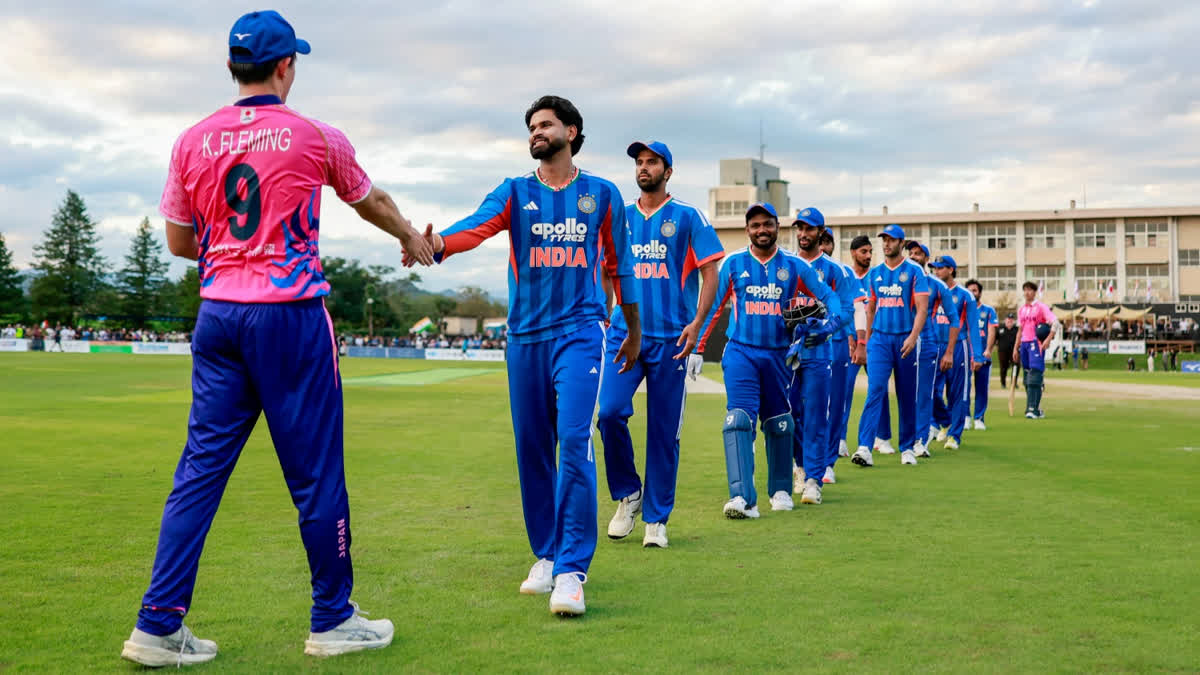
One of the most interesting tactical questions concerns timing. A captain may hold back a key bowler to target a dangerous batter later, or may use that bowler immediately to attack a developing partnership.
Field placements also reveal the team’s approach. A close-in fielder can create pressure against a defensive batter, while boundary riders may be required when a powerful hitter enters the game.
The captain’s decisions are influenced by information coming from the pitch and match situation. This means that a strategy planned before the game may need significant adjustment once play begins.
Players Who Can Change the Match
Finals often produce individual performances that attract most of the attention. Yet it is useful to consider player roles rather than focusing only on star names.
A top-order batter can provide stability, while a middle-order hitter may accelerate the innings. An all-rounder can contribute with both bat and ball, giving the captain additional flexibility. A fast bowler may provide breakthroughs, while a spinner can control the middle overs.
For a pak vs ind final, the most influential player may not necessarily be the highest-profile name. A lower-order partnership, economical bowling spell, sharp catch, or timely run-out can have major consequences.
This is why squad balance matters. A team with multiple ways to respond to changing circumstances has more tactical possibilities during a long match.
How Pitch and Weather Conditions Influence the Contest
Playing conditions can alter the expected balance between bat and ball. A fresh pitch may provide assistance to seamers early in the innings, while a slower surface can make stroke-making more difficult.
Weather also deserves attention. Humidity, cloud cover, wind, and the possibility of rain can affect both preparation and match strategy. In limited-overs cricket, interruptions can additionally change target calculations and the value of wickets.
Dew is another factor in some venues. A wet ball can make gripping it harder for bowlers and may influence the captain’s decision about batting or bowling first.
Therefore, analyzing a pak vs ind final requires more than comparing historical records. Conditions on the actual match day can create a different tactical environment.
Managing Pressure in a Title-Deciding Match
Pressure management is often discussed as if it were separate from skill, but the two are closely connected. Under pressure, players must continue making technically sound decisions despite the importance of every delivery.
Batters may need to resist unnecessary shots after losing a wicket. Bowlers may need to maintain their plans after conceding boundaries. Fielders must remain alert because a single missed chance can change momentum.
Teams can reduce uncertainty through clear roles and communication. When players understand what is expected from them, they can concentrate on execution instead of constantly reconsidering their responsibilities.
This becomes especially relevant in the closing stages. The final overs can involve rapidly changing equations, making composure and communication extremely important.
How Fans Can Follow the Match More Meaningfully
The excitement around a pak vs ind final can be enhanced by watching the tactical details rather than focusing exclusively on the scoreboard.
Pay attention to how captains use their bowlers, how batters target particular areas, and whether field placements change according to the match situation. These details often explain why momentum moves from one side to the other.
It is also useful to separate pre-match expectations from what actually happens. Historical rivalry can create strong expectations, but cricket remains highly dependent on current squads, conditions, execution, and individual performances.
Conclusion
A pak vs ind final brings together the pressure of a championship match and the long-standing sporting rivalry between two major cricket nations. Its outcome can depend on several interconnected elements, including opening partnerships, bowling discipline, fielding, captaincy, pitch conditions, and decision-making under pressure.
Rather than relying only on reputation or past encounters, the most useful way to understand the contest is to examine the actual teams, conditions, tactics, and match situation. That approach provides a clearer picture of how a title-deciding Pakistan-India encounter can develop from the first delivery to the final over.

