

The pak vs ind cricket rivalry is one of the most recognized contests in international sport. Whenever India and Pakistan meet on a cricket field, the match attracts attention far beyond the normal sporting audience. The history between the two teams, passionate supporters, famous players, and high-pressure situations have created a rivalry that continues to generate interest across generations.
Unlike many regular bilateral cricket contests, encounters between India and Pakistan have often carried an unusual level of anticipation. Limited opportunities to play each other in some periods have made major tournament meetings particularly significant. As a result, fans closely follow team announcements, playing conditions, player form, tactics, and every important moment once the game begins.
How the Rivalry Developed
The roots of the pak vs ind cricket rivalry extend beyond cricket itself. India and Pakistan became separate nations in 1947, and their sporting relationship developed alongside a complicated political and historical background. Cricket eventually became an important platform where competition, national pride, and sporting identity could be expressed.
The first official Test series between the two sides took place in the early 1950s. Over the decades, the teams produced memorable contests in Test cricket, One-Day Internationals, and later Twenty20 cricket.
The rivalry evolved considerably as cricket changed. Earlier generations often focused on long Test matches and tactical battles involving patience and endurance. Later, limited-overs cricket introduced faster scoring, specialist bowlers, power hitting, and increasingly dramatic finishes.
Why Major Tournament Matches Matter
Modern pak vs ind encounters are frequently associated with major international tournaments. World Cups, continental competitions, and other multi-team events can create especially intense occasions because the teams may have limited opportunities to meet outside those competitions.
A tournament fixture can influence qualification, group standings, momentum, or progression toward the knockout stage. This gives individual matches an additional sporting dimension beyond the rivalry itself.
For supporters, however, the importance is often more emotional. A single boundary, wicket, dropped catch, or successful chase can become a lasting memory. Tournament meetings are therefore discussed long after the final ball.
Memorable Matches and Turning Points
The history of pak vs ind contains numerous matches remembered for individual performances and dramatic changes in momentum. Some games have been decided comfortably, while others have remained uncertain until the final overs.
One of the most important features of these contests is the pressure created by the occasion. Players who perform well under such circumstances can become central figures in their country’s cricket history.
Memorable moments have included powerful batting displays, exceptional spells of fast bowling, crucial catches, and successful run chases. T20 cricket has added another layer because a match can change direction within a handful of deliveries.
The following table highlights some of the elements that commonly define major meetings:
| Match Element | Why It Matters |
|---|---|
| Opening partnership | Establishes the foundation for the innings |
| Powerplay bowling | Can create early pressure or wickets |
| Middle-over batting | Controls scoring rate and builds momentum |
| Spin bowling | Can restrict runs and break partnerships |
| Death overs | Often determine the final score or chase |
| Fielding | Saves runs and creates decisive opportunities |
| Batting under pressure | Tests decision-making and temperament |
| Final overs | Frequently produce the most dramatic moments |
The Importance of Batting Partnerships
Batting partnerships can be particularly valuable in a high-pressure pak vs ind fixture. When wickets fall quickly, pressure increases on the remaining batters. A stable partnership can change the atmosphere by rebuilding the innings and forcing the opposition to reconsider its bowling strategy.
Opening batters have an especially important role. They must handle the new ball, judge swing and movement, and avoid unnecessary risks. In limited-overs cricket, they also need to maintain an appropriate scoring rate.
Middle-order players face a different challenge. They may enter during a period when wickets are falling or when the team needs acceleration. Their ability to rotate the strike and attack suitable deliveries can determine whether an innings finishes strongly.
Bowling Battles That Shape Matches
Fast bowling has traditionally been one of the most discussed aspects of pak vs ind cricket. Both countries have produced generations of talented pace bowlers capable of creating movement, generating bounce, and troubling top-order batters.
New-ball bowling can be particularly important. Early wickets can expose the middle order and prevent a team from establishing its preferred scoring pattern.
Spin also plays an important role, particularly on surfaces that provide assistance to slower bowlers. Captains must decide when to introduce spin, how aggressively to attack, and which field placements can create opportunities.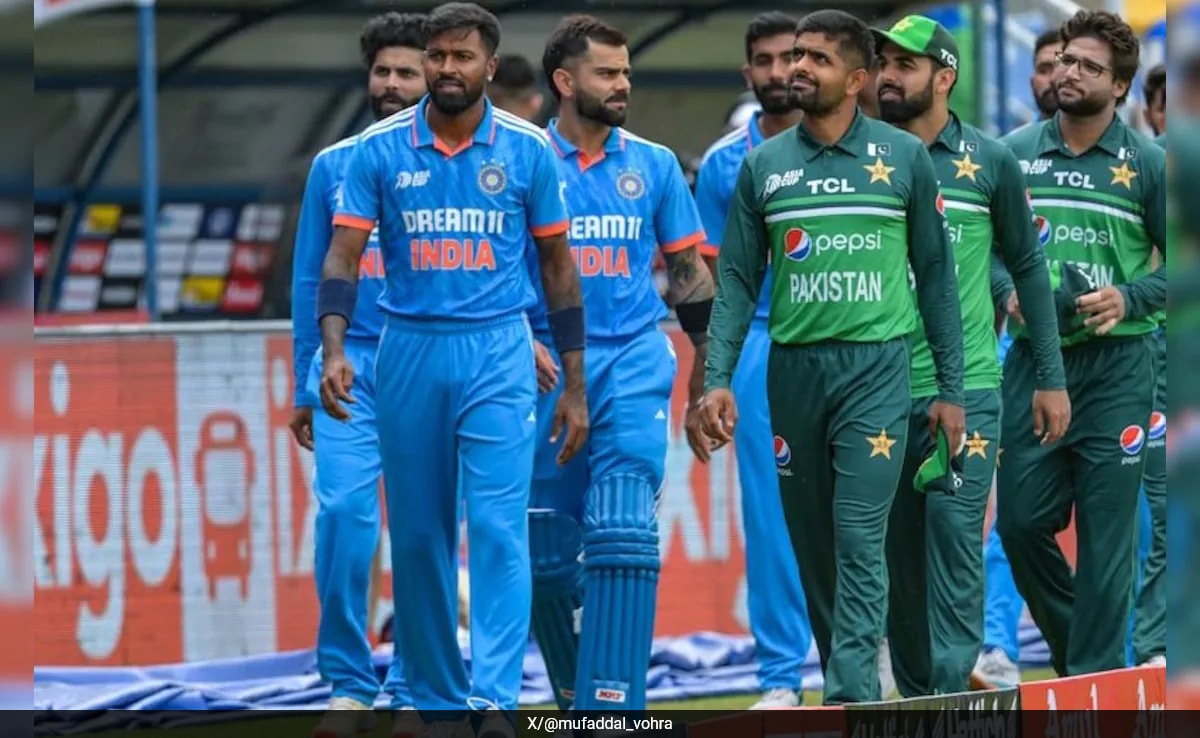
In modern cricket, bowling plans also depend on matchups. A captain may use a particular bowler against a batter because of differences in scoring zones, pace, movement, or previous performances.
The Role of Star Players
The pak vs ind rivalry has featured many celebrated cricketers. Players from both sides have carried substantial expectations whenever they entered these matches.
Top-order batters often attract attention because their performances can establish the direction of an innings. Fast bowlers receive similar scrutiny because an early breakthrough can have a major influence on a limited-overs contest.
Yet cricket remains a team sport. One outstanding individual performance does not guarantee victory. A batter may score heavily, but the bowling unit must still defend the total. Similarly, a bowler may take important wickets, but the batting lineup must contribute enough runs.
This balance makes player statistics useful but incomplete. Strike rate, economy rate, average, wickets, and runs provide context, but match situations are equally important when assessing performances.
Tactics, Conditions and Captaincy
Conditions can have a major impact on the pak vs ind contest. Pitch characteristics, weather, dew, ground dimensions, and the behavior of the ball can influence selection and strategy.
Captains must consider whether batting first or chasing offers an advantage under the circumstances. Toss decisions can become especially important in evening limited-overs matches when conditions change later in the game.
Team selection is another tactical factor. A side may choose additional pace options on a fast surface or strengthen its spin resources when conditions are expected to favor slower bowling.
Modern teams also use detailed performance analysis. Data can help identify scoring patterns, bowling matchups, preferred batting areas, and weaknesses that opponents may attempt to exploit.
Different Formats, Different Challenges
The character of pak vs ind changes according to the format.
Test cricket emphasizes patience, endurance, technique, and long-term strategy. A batter may need to survive difficult periods before capitalizing on favorable conditions. Bowlers must maintain pressure over extended spells.
One-Day International cricket creates a balance between accumulation and acceleration. Teams have enough overs to rebuild after setbacks but must also manage scoring rates throughout the innings.
T20 cricket is much more compressed. Decisions must often be made within seconds, and individual overs can significantly alter the result. Aggressive batting, specialist bowling, athletic fielding, and innovative tactics become increasingly important.
The Supporter Experience
The atmosphere surrounding pak vs ind matches is an important part of their cultural impact. Supporters often follow the contest through television coverage, digital platforms, newspapers, social media discussions, and live score services.
Fans analyze probable playing XIs, pitch reports, recent form, team combinations, and individual matchups before the game. During the contest, every major event can trigger intense discussion.
The rivalry also reaches audiences who may not regularly watch international cricket. The combination of history and sporting competition makes these matches widely recognizable.
At the same time, cricket is best experienced as a sporting contest. Respect for players, officials, and supporters remains essential regardless of the result.
How Young Fans Understand the Rivalry
For younger cricket followers, pak vs ind provides an introduction to several important aspects of the sport. They can learn how pressure affects decision-making, how tactical plans change during an innings, and why individual skills must work within a team structure.
Young players can also study technical elements from these matches. Batters can observe footwork, shot selection, and strike rotation, while aspiring bowlers can examine variations, lengths, field settings, and changes of pace.
The rivalry therefore offers educational value in addition to entertainment. Watching closely can help fans understand cricket beyond simply counting runs and wickets.
What to Watch in Future Encounters
Future pak vs ind matches will continue to reflect changes in international cricket. T20 strategies are becoming increasingly specialized, data analysis is influencing preparation, and young players are entering international squads with different experiences from earlier generations.
Several factors will remain worth watching:
- Team combinations and balance before each match.
- Performance of opening batters against the new ball.
- Bowling plans during powerplay and death overs.
- Middle-order stability during pressure situations.
- Fielding quality in close matches.
These details can provide a deeper understanding of why momentum shifts during an international contest.
Conclusion
The pak vs ind cricket rivalry combines sporting history, exceptional individual talent, tactical competition, and enormous supporter interest. From Test matches built around patience to fast-paced T20 encounters, each format creates different challenges and opportunities.
Its lasting appeal comes from uncertainty. Past results do not decide future contests, and reputations cannot replace performance on the day. Conditions, selection, strategy, execution, and pressure management can all shape the outcome.
For cricket followers, understanding the rivalry means looking beyond the headline score. The most interesting stories often appear in partnerships, bowling changes, field placements, individual battles, and moments when a team responds to pressure. That combination ensures that every major India-Pakistan meeting remains a significant event in the international cricket calendar.

