

The WI vs IND Test rivalry brings together two cricketing traditions with very different histories, conditions, and approaches to the longest format. India have developed a reputation for producing technically accomplished batters and highly effective spin bowlers, while West Indies cricket has historically been associated with explosive pace, athletic fielding, and naturally aggressive cricket.
Test matches between India and the West Indies can be fascinating because conditions often influence the contest as much as individual talent. A match played on a turning Indian surface can become a major examination for visiting batters, while Caribbean pitches can create opportunities for fast bowlers when there is movement or bounce available.
Beyond statistics and results, the rivalry represents two influential cricket cultures. India have become one of the strongest forces in modern Test cricket, whereas West Indies remain one of the most celebrated teams in the history of the format.
How the WI vs IND Test Rivalry Developed
The history of the WI vs IND Test contest stretches back to the early decades of international cricket for India. When India first encountered the West Indies in Test cricket, the Caribbean side already possessed considerable experience and a powerful cricketing identity.
Over the years, the balance between the teams changed. West Indies dominated world cricket for a significant period, particularly through generations of outstanding fast bowlers and world-class batsmen. India gradually built greater depth and became increasingly competitive overseas as well as at home.
The rivalry became particularly memorable as Indian batting legends faced some of the most feared Caribbean pace attacks. Later generations saw the contest evolve again, with India’s growing fast-bowling resources adding another dimension to matches in the Caribbean.
Today, the rivalry is less about one team’s historical dominance and more about how each side adapts to changing conditions and modern Test strategies.
Key Differences in Playing Conditions
Playing conditions are one of the most important factors in an India-West Indies Test. India traditionally offers surfaces where spin can become increasingly influential as matches progress. Batters must therefore be comfortable against turning deliveries, variable bounce, and bowlers who can maintain pressure for long spells.
Caribbean conditions can vary considerably from venue to venue. Some pitches offer pace and bounce, while others may become slower and more favorable to batting or spin as the game develops.
| Factor | India | West Indies |
|---|---|---|
| Typical challenge | Spin and variable bounce | Pace, bounce and movement |
| Batting approach | Patience against spin | Technique against pace |
| Bowling strength | Spin supported by varied pace | Fast and seam bowling traditions |
| Fielding demand | Close catching can be important | Athletic ground fielding |
| Match progression | Spin may become more influential | Pitch behavior varies by venue |
Understanding these differences is essential when assessing a Test match. A strong team is not necessarily the one with the better individual players; adaptability can determine the result.
Batting Battles That Shape Test Matches
Batting in a Test requires concentration, patience, and the ability to adjust throughout an innings. In a WI vs IND Test, the top order can face very different challenges depending on the location.
Indian batters often need to demonstrate precise footwork against spin, especially when playing on turning pitches. They may use defensive techniques to neutralize the threat before attacking loose deliveries. Against Caribbean fast bowlers, however, playing late and maintaining balance becomes especially important.
West Indies batters face a different examination in India. Spin can attack both edges of the bat and make scoring difficult when the field is set defensively. Successful visiting batsmen generally need strong defensive techniques combined with the ability to rotate the strike.
Middle-order partnerships can also have enormous importance. A team that loses several wickets quickly can surrender control even after making a promising start.
The Role of Fast Bowlers
Fast bowling has always been an important part of the WI vs IND Test story. West Indies produced legendary pace attacks during their golden era, creating an intimidating reputation that influenced generations of international batsmen.
Modern Indian cricket has developed a powerful fast-bowling tradition of its own. India’s ability to produce bowlers capable of operating effectively with the new ball and returning for demanding spells has significantly improved their overseas competitiveness.
Fast bowlers can change a Test match within a short period. A spell of accurate bowling may create pressure, force defensive mistakes, or expose weaknesses in a batting lineup. Conditions such as cloud cover, humidity, pitch hardness, and the age of the ball can all influence their effectiveness.
For this reason, monitoring the pace attack is essential when evaluating either side’s chances.
Why Spin Can Become a Match-Changing Factor
Spin bowling provides another major tactical dimension. Indian conditions have historically allowed spinners to play a central role, particularly as the pitch deteriorates.
In a WI vs IND Test, visiting batsmen may need to handle different types of spin, including deliveries that turn sharply and those that remain relatively straight. Batting against spin is not simply about hitting boundaries. It involves judging length, using the crease intelligently, rotating the strike, and avoiding unnecessary risks.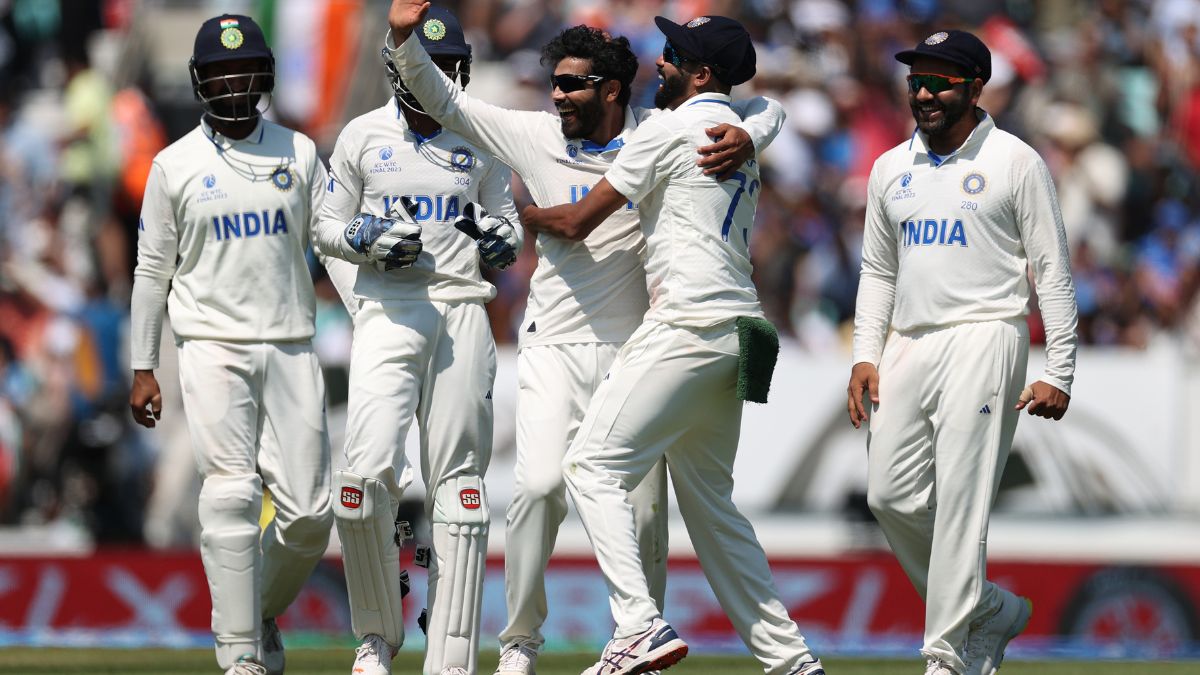
West Indies spinners can also become important when matches are played on slower Caribbean surfaces. A spinner who can maintain control for long periods may create pressure even without taking frequent wickets.
Captains therefore need to consider bowling changes carefully. Defensive fields can restrict runs, but attacking fields may create the wicket needed to break a partnership.
The Importance of Opening Partnerships
Opening batsmen set the tone for a Test innings. Their responsibility is particularly demanding because they face the freshest pitch, the new ball, and the most energetic fast bowlers.
A successful opening partnership gives the middle order time to settle and allows the team to build a substantial first innings total. Conversely, early wickets can expose inexperienced batsmen and give the opposition immediate control.
In the WI vs IND Test, opening strategies can differ according to conditions. In India, openers may need to prepare for spin earlier than they would in many overseas matches. In the Caribbean, dealing with movement and bounce can become the initial priority.
A disciplined start does not always produce rapid scoring, but it can create the foundation for a winning Test performance.
Captaincy and Tactical Decisions
Test captaincy involves constant decision-making. Captains must determine when to attack, when to defend, when to introduce spin, and when to keep a fast bowler operating despite signs of fatigue.
Declaration timing can also influence the result. A captain needs to balance the desire to set a large target with the amount of time available to dismiss the opposition.
Field placement is another crucial element. Close catchers may be positioned around the bat when spin is operating, while slips and attacking fields become important against fast bowling.
Modern Test cricket also places greater emphasis on workload management, bowling rotations, and preserving players for long series. These decisions can influence not only one match but an entire campaign.
Players and Skills to Watch
A WI vs IND Test can feature several different types of match-winners. Instead of focusing only on famous names, viewers can assess players according to the skills they bring to specific conditions.
Important areas to watch include:
- Top-order players capable of surviving difficult opening spells.
- Fast bowlers who can generate movement and maintain accuracy.
- Spinners who can exploit rough areas and changing pitch conditions.
- Middle-order batsmen who can rebuild after early wickets.
- Wicketkeepers who contribute both with the gloves and the bat.
All-rounders can be particularly valuable because they provide balance. A player capable of contributing meaningful runs and several overs gives the captain additional tactical flexibility.
How to Read the Match Situation
Following a WI vs IND Test is more interesting when the score is viewed in context rather than judged only by runs and wickets.
A team making 300 on a difficult pitch may have performed better than a side scoring 400 on an excellent batting surface. Similarly, losing four wickets before lunch can be more significant than losing four wickets late on the third day.
Useful indicators include first-innings advantage, wicket timing, run rate under pressure, bowling workload, and the condition of the ball.
Session-by-session momentum is particularly important. A team can dominate the morning session but lose control after lunch because of one substantial partnership.
What Makes the Rivalry Interesting for Fans
The appeal of the WI vs IND Test goes beyond the final result. It combines history, contrasting cricket cultures, tactical battles, and changing playing conditions.
Indian supporters often appreciate the technical depth and strategic possibilities of Test cricket, while West Indies cricket carries a rich legacy built around attacking batting, fast bowling, flair, and individuality.
The contrast makes each series an opportunity to see how different cricketing philosophies respond to one another. A disciplined Indian bowling attack may challenge Caribbean batsmen, while West Indies pace can test India’s technique outside the subcontinent.
This combination gives the rivalry a distinctive character even as both teams continue to evolve.
Conclusion
The WI vs IND Test rivalry remains an important part of international cricket because it combines history with constantly changing tactics and conditions. India bring strong batting depth, increasingly versatile bowling resources, and considerable experience in different Test environments. West Indies bring a proud cricketing tradition, natural athleticism, and a history of producing exceptional pace and batting talent. The most compelling contests are usually determined by adaptation rather than reputation. Opening partnerships, bowling discipline, spin tactics, middle-order resilience, captaincy, and the ability to handle changing pitch conditions can all influence the outcome.
For fans, the real attraction lies in watching two distinctive cricket traditions compete over five demanding days. Whether the match becomes a battle of pace, a test of patience against spin, or a tactical contest between captains, India versus West Indies continues to offer the kind of long-form cricket that makes Test cricket unique.

