

The ind vs wi t20 rivalry brings together two teams with different but highly effective approaches to the shortest format of cricket. India generally enters T20 matches with a deep batting lineup, multiple bowling options, and an emphasis on maintaining pressure throughout the innings. West Indies, meanwhile, have a long-standing reputation for explosive batting, aggressive stroke play, and players capable of changing a match within a few overs.
A T20 contest can turn quickly because every delivery has greater importance. A strong powerplay, a pair of economical overs in the middle, or an unbeaten finishing cameo can completely alter the direction of a game. That makes an India-West Indies encounter particularly interesting for followers who enjoy tactical cricket as well as big hitting.
Rather than depending on one department, successful T20 sides need balance. Batters must score efficiently without losing too many wickets, while bowlers have to adapt their plans according to pitch conditions and match situations. Fielding also becomes crucial because a single dropped catch or missed run-out can influence a close finish.
How the Two Teams Approach T20 Cricket
The ind vs wi t20 matchup often highlights contrasting philosophies. India traditionally places considerable value on batting depth and flexibility. Its top order can build an innings quickly, while middle-order players are expected to accelerate when the situation demands it. Having several bowling choices also allows the captain to respond to individual matchups.
West Indies tend to bring a naturally aggressive mindset. Their batting tradition has produced many powerful hitters who are comfortable taking risks against pace and spin. On a good batting surface, that approach can put an opposition under pressure almost immediately.
However, aggression needs to be supported by game awareness. A team that loses several wickets during the first six overs may leave its middle order with too much work. Similarly, bowling aggressively without controlling extras can provide an opponent with valuable additional runs.
Key Areas That Can Decide the Match
Several phases deserve particular attention when assessing an India-West Indies T20 encounter.
| Match Area | India’s Potential Strength | West Indies’ Potential Strength | Why It Matters |
|---|---|---|---|
| Powerplay | Stroke-making and batting depth | Aggressive boundary hitting | Early momentum |
| Middle Overs | Spin options and rotation | Power hitters and matchup play | Controlling scoring rate |
| Death Overs | Variety in batting and bowling | Big-hitting ability | Final score or chase |
| Fielding | Athletic fielders and catching | Fast reactions and attacking play | Turning points |
| Bowling Plans | Pace-spin combinations | Variations and pace changes | Limiting boundaries |
The powerplay is often one of the most influential sections. Teams want boundaries but must also protect wickets. A side reaching the end of six overs with a strong run rate and several wickets available gains more flexibility later.
The middle overs require a different style. Batters need to rotate the strike while identifying deliveries that can be attacked. Bowlers attempt to create dot-ball pressure and force mistakes. This phase can quietly determine whether an innings finishes with a competitive total or falls short.
Batting Matchups and the Importance of Adaptability
In the ind vs wi t20 contest, batting matchups can have a major influence on strategy. A batter who dominates pace may face a different challenge when the captain introduces spin. Likewise, a player who prefers pace on the ball can be tested with slower deliveries and changes of length.
India’s batting depth can make it difficult for opponents to relax after taking early wickets. If the top order provides a strong platform, later batters can focus almost entirely on acceleration. This creates the possibility of a rapid finish during the final five overs.
West Indies can answer with power and fearless intent. Their strongest hitters can clear the boundary against both pace and spin when conditions are favorable. The challenge is to maintain that attacking approach while understanding when singles and doubles are more valuable than risky shots.
Successful T20 batting is not simply about hitting sixes. Reading the field, choosing the right bowler to attack, and preserving wickets can be equally important.
Bowling Strategies That Could Shape the Result
Bowling plans become especially significant once the pitch and weather conditions are understood. Seamers may look for movement with the new ball, while spinners can become influential if the surface offers grip or becomes slower as the innings progresses.
India can benefit from having different bowling styles available. A captain can use pace during the powerplay, introduce spin during the middle overs, and return to specialist death bowlers when boundary prevention becomes the priority.
West Indies also have the ability to use variations effectively. Slower balls, cutters, changes of pace, and wide lines can make it harder for aggressive batters to find their preferred hitting areas.
The death overs are particularly demanding. Bowlers must execute yorkers, slower deliveries, and well-directed short balls while avoiding predictable patterns. One poor over can add a significant number of runs, so accuracy under pressure is essential.
Players Who Can Change the Momentum
The ind vs wi t20 battle is likely to revolve around players capable of influencing multiple phases of the game. Top-order batters can establish the platform, middle-order hitters can increase the scoring rate, and all-rounders can provide balance by contributing with both bat and ball.
For India, the availability of technically sound batters combined with flexible bowling options can create several tactical advantages. A player who can bowl a few useful overs can also give the captain more freedom when selecting the playing XI.
West Indies can rely heavily on their natural power and athleticism. Their all-rounders can be particularly valuable because they reduce pressure on specialist players. A strong all-round performance can compensate for an underwhelming contribution from one department.
Individual form should nevertheless be considered alongside conditions. A batter in excellent touch may still struggle if the opposition creates an unfavorable matchup, while an economical bowler can become expensive if the pitch offers little assistance.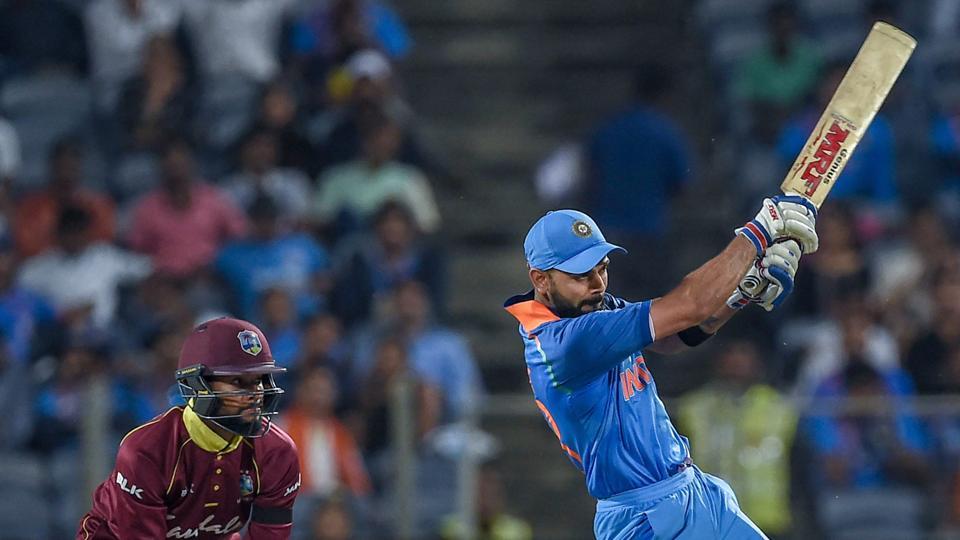
Pitch Conditions and Weather Considerations
Conditions can significantly affect the ind vs wi t20 result. A flat pitch generally rewards confident stroke makers, whereas a slower surface may encourage bowlers who rely on cutters and changes of pace.
Dew can also influence evening matches. If the ball becomes difficult to grip during the second innings, spinners and slower-ball specialists may face additional challenges. Captains therefore have to consider whether batting first or chasing provides the greater advantage.
Ground dimensions are another factor. A short boundary can encourage batters to target particular areas, while a larger playing field rewards intelligent placement and running between wickets.
Teams that adapt quickly usually have an advantage over sides that rely too heavily on pre-match plans.
Powerplay Battles and Middle-Over Control
The opening six overs are about finding the right balance between aggression and security. Batters want to exploit fielding restrictions, while bowlers attempt to remove dangerous players before they settle.
For the ind vs wi t20 matchup, the first powerplay could establish the tone for the entire game. A fast start may force the bowling captain to change plans earlier than expected. Conversely, disciplined bowling can create pressure that continues into the middle overs.
Once field restrictions disappear, strike rotation becomes increasingly important. Batters cannot depend solely on boundaries. Singles, twos, and smart running can keep the scoreboard moving and prevent bowlers from building long periods of control.
The team that wins this phase often enters the final overs with greater confidence.
Death Overs and Finishing Ability
T20 matches frequently reach their decisive point during the final four or five overs. Batting teams want to maximize every delivery, while bowling sides try to reduce boundary opportunities.
India’s depth can be valuable here because multiple players may be capable of attacking from the beginning of their innings. West Indies, with their reputation for powerful hitting, can also produce spectacular finishes when their batters remain at the crease.
The ind vs wi t20 contest can therefore become extremely difficult to predict once the final overs begin. A target that appears comfortable can suddenly become challenging after two economical overs, while a seemingly modest total can become defendable if wickets fall quickly.
Execution matters more than reputation at this stage.
Why This Matchup Appeals to T20 Fans
Beyond statistics and individual performances, the ind vs wi t20 rivalry offers an entertaining combination of tactical planning and attacking cricket. India can provide structured batting and varied bowling plans, while West Indies can bring explosive stroke play and an unpredictable element.
That contrast creates several possible match scenarios. A technically controlled Indian innings could face an aggressive West Indies chase. Alternatively, West Indies could establish a huge total and force India to rely on batting depth and calculated risk.
The contest also demonstrates how modern T20 cricket has developed. Teams increasingly use matchup data, flexible batting orders, specialist bowlers, and fielding plans designed for specific situations. Yet instinct and execution remain just as important when pressure reaches its highest point.
What Fans Should Watch During the Game
When following the ind vs wi t20 matchup, viewers can focus on a few important indicators rather than watching only the final score:
- How many wickets fall during the powerplay.
- Which bowlers are used against the most dangerous batters.
- Whether the middle order maintains a healthy scoring rate.
- How effectively each team handles the final five overs.
- Whether fielding errors create unexpected momentum shifts.
These details often explain why a match moves in one direction even before the result becomes obvious.
Conclusion
The ind vs wi t20 contest combines India’s depth and tactical flexibility with West Indies’ attacking approach and natural power. The outcome can depend on several interconnected factors, including the opening partnership, middle-over control, bowling variations, fielding quality, pitch behavior, and finishing ability.
Neither team can afford to rely solely on reputation. T20 cricket rewards adaptability, clear decision-making, and execution under pressure. A disciplined powerplay, smart bowling changes, and effective use of the final overs can prove more important than individual brilliance. For fans, that combination is what makes India versus West Indies such an engaging short-format contest. Every phase offers a potential turning point, and a match that appears one-sided can change dramatically within only a few deliveries.

