

IPL matches have become a major part of the international cricket calendar, combining high-level competition, short-format entertainment, strategic decision-making, and a strong franchise-based identity. The Indian Premier League uses the Twenty20 format, where each side normally receives 20 overs to score as many runs as possible while managing wickets and resources.
Unlike traditional multi-day cricket, the shorter format places considerable importance on quick starts, adaptable bowling plans, athletic fielding, and calculated risk-taking. Every over can change the direction of a contest, making tactical awareness particularly important for players, coaches, and viewers.
The tournament also brings together established international cricketers, domestic Indian talent, emerging players, specialist bowlers, explosive batters, wicketkeepers, and all-rounders. This mixture creates different playing styles across franchises and gives supporters plenty to follow throughout a season.
How the IPL Format Works
The league follows a structured competition in which franchises play a series of matches before the playoff stage. The precise competition structure, number of fixtures, and qualification rules can vary between seasons, so viewers should check the official season schedule and regulations for current details.
At its core, the competition revolves around league-stage performance and qualification for the later rounds. Teams collect points based on their results, while net run rate can become an important factor when sides finish with similar records.
The knockout phase adds another layer of pressure. Qualification is not simply about winning individual games; teams also need to manage their campaign across several weeks. Injuries, player availability, travel, pitch conditions, and tactical adjustments can influence a franchise’s progress.
For viewers, understanding the basic format makes the points table easier to follow. It also explains why a result late in the league stage can have consequences beyond a single win or defeat.
Why Team Composition Matters
Successful IPL matches often depend on how effectively a franchise balances its squad. A team cannot rely entirely on batting power or fast bowling. T20 cricket requires a combination of skills that can respond to different situations.
A balanced squad may include:
- Opening batters capable of establishing momentum.
- Middle-order players who can accelerate during the second half of an innings.
- Pace and spin options for different phases.
- All-rounders who provide flexibility with bat and ball.
- Specialist wicketkeepers and fielders.
The value of an all-rounder can be particularly significant because one player can contribute in multiple areas. Similarly, a quality death-over bowler may become important when opponents are attempting to score quickly during the final overs.
Squad depth also matters. A long tournament can expose weaknesses when regular starters are unavailable. Franchises therefore need replacement options that fit their tactical plans rather than simply adding players without considering team balance.
The Importance of the Powerplay
The opening six overs are known as the powerplay and represent one of the most strategically significant periods of a T20 innings. Fielding restrictions allow only a limited number of players outside the inner circle, creating opportunities for aggressive batting.
Openers often attempt to take advantage of this period by finding boundaries while minimizing unnecessary risks. Meanwhile, bowling teams look for early wickets because removing an established batter can disrupt the opposition’s planned scoring rate.
Powerplay strategies can differ according to pitch conditions. On a flat surface, batters may attack from the beginning. On a slower or more difficult pitch, they may prioritize rotation of strike and careful shot selection.
This phase also demonstrates why scorecards alone do not tell the entire story. Two teams can reach similar totals, but the way they distribute runs and preserve wickets may create very different tactical situations.
Middle Overs and Tactical Adjustments
After the powerplay, the middle overs often become a battle of adaptation. Fielding restrictions ease, allowing captains to position more players around boundary areas. Bowlers may use spin, slower deliveries, cutters, or changes of pace to make stroke-making difficult.
Batters have to identify which areas of the field are available and decide when to attack. Rotating the strike becomes important because relying exclusively on boundaries can increase the risk of losing wickets.
Captains also make frequent bowling changes during this phase. A spinner may be introduced to control scoring, while a fast bowler could return to target a particular batter. Matchups between specific batters and bowlers can therefore influence decisions.
For spectators following IPL matches, the middle overs can be particularly interesting because this is where a team’s original plan often meets changing match conditions.
The Pressure of the Final Overs
The closing overs can transform an ordinary-looking innings into a competitive total. Batters generally attempt to increase the scoring rate, while bowlers focus on limiting boundaries and protecting areas of the ground.
Death bowling requires accuracy because even a small error can result in a boundary. Yorkers, slower balls, wide deliveries within the legal limits, and carefully planned field placements are commonly used tactical options.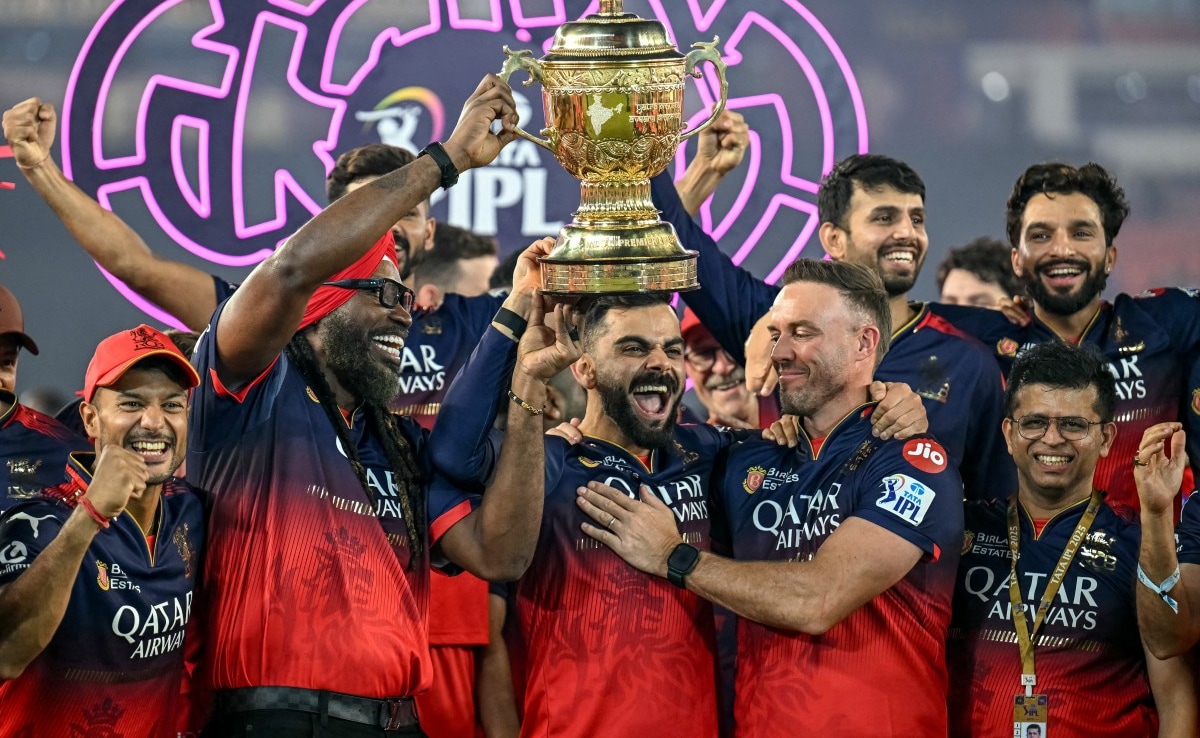
At the same time, batters look for scoring opportunities through powerful shots, running between wickets, and calculated targeting of weaker bowling options.
A chase can become equally dramatic. Teams may need a specific number of runs from a limited number of deliveries, creating a situation where every single ball matters. Partnerships, wickets, required run rate, and available batters all become part of the calculation.
Reading a Cricket Scorecard
A scorecard provides much more information than the final result. Learning how to read one allows fans to understand how an innings developed.
| Scorecard Element | What It Shows | Why It Matters |
|---|---|---|
| Runs | Batter’s individual contribution | Identifies leading scorers |
| Balls | Deliveries faced | Helps understand scoring efficiency |
| Strike Rate | Runs scored relative to balls faced | Shows batting tempo |
| Overs | Bowling workload | Indicates how resources were used |
| Economy Rate | Runs conceded per over | Measures bowling control |
| Wickets | Dismissals taken | Shows bowling impact |
| Extras | Runs not scored directly by batters | Can influence total significantly |
| Net Run Rate | Comparative scoring performance | May affect league-stage rankings |
Strike rate should always be considered alongside the match situation. A batter scoring quickly may have provided valuable momentum, while a slower innings might still be useful when wickets are falling regularly.
Similarly, a bowler’s economy rate does not provide the complete picture. Taking important wickets at crucial moments can have a major influence even if some runs were conceded.
Role of Pitch and Weather Conditions
Playing conditions can significantly affect IPL matches. Some pitches encourage stroke play and high scoring, while others offer assistance to slower bowlers or reward accurate pace bowling.
Dew can also become relevant during evening fixtures. When moisture settles on the playing surface, gripping the ball can become more difficult for bowlers, while batters may find it easier to play certain shots.
The toss can therefore influence tactical decisions, although its importance depends on the venue and conditions. Captains may choose to bat first when they expect the surface to change later, or field first if chasing appears more comfortable.
Ground dimensions are another factor. A short boundary on one side can influence bowling lines and field placements, while a larger outfield may encourage batters to focus more on running.
Following Players and Emerging Talent
One of the distinctive features of the league is its ability to place experienced international players alongside younger domestic cricketers. This environment can provide emerging players with exposure to high-pressure situations and experienced teammates.
Batters can learn from established players about preparation, shot selection, and game awareness. Young bowlers can gain insight into workload management, variations, and tactical planning.
For fans, player development adds another dimension to IPL matches. A season can introduce new names who later become important figures in domestic or international cricket.
Following individual performances is also useful for understanding team selection. A player contributing consistently with either bat or ball may earn greater responsibility as the season develops.
Using Statistics Without Losing Context
Modern cricket provides extensive statistical information, including strike rates, bowling economy, boundary percentages, dot-ball rates, partnerships, and phase-specific performances.
These numbers can improve understanding when interpreted correctly. However, statistics should be viewed within match context. A batter’s strike rate during a difficult chase may have a different meaning from the same number in a comfortable run chase.
Similarly, a bowler’s economy can be influenced by the venue, opposition, innings phase, and fielding support.
Rather than focusing on one statistic, viewers can compare several indicators and consider the circumstances in which performances occurred. This approach creates a more complete picture of player contributions.
How Fans Can Follow the Tournament More Effectively
Keeping track of fixtures becomes easier when fans focus on a few key areas rather than attempting to follow every statistic.
Before a match, viewers can check the playing squads, venue, recent team results, and expected conditions. During the game, attention can shift toward powerplay results, wickets in hand, required run rate, bowling changes, and partnerships.
Afterward, the scorecard can help explain why the final result developed as it did. Comparing first-innings scoring with the chase can reveal whether the decisive difference came from batting momentum, bowling control, fielding, or wicket preservation.
This method makes watching cricket more analytical without taking away from the entertainment.
The Broader Appeal of Franchise Cricket
IPL matches have also contributed to the growth of franchise-based cricket by creating a competition where players from different cricketing backgrounds share the same tournament environment.
The franchise model gives teams distinct identities through colors, home venues, player combinations, coaching structures, and supporter communities. This creates a strong connection between cricket and entertainment while maintaining the competitive nature of professional sport.
The tournament also provides opportunities for domestic players to compete alongside internationally recognized names. For younger cricketers, performing under pressure can become an important part of their professional development.
Conclusion
IPL matches combine short-format cricket, tactical planning, individual skill, squad depth, and changing match conditions into a highly dynamic sporting format. Understanding the powerplay, middle overs, death bowling, scorecard statistics, pitch behavior, and team composition can make every fixture more engaging for viewers.
Whether following a particular franchise, tracking emerging talent, studying tactical decisions, or simply enjoying the competition, a basic understanding of T20 strategy adds greater depth to the viewing experience. The league’s combination of domestic and international talent continues to make each season a distinctive part of the cricket calendar.

